
The Nature of Gambling Behavior
Gambling behavior is a multifaceted phenomenon shaped by a blend of psychological, sociocultural, and biological elements. At its foundation, this behavior is largely driven by the brain’s reward system. The anticipation of winning stimulates the release of dopamine, a neurotransmitter closely linked to pleasure and reward. This neurochemical response creates feelings of excitement and euphoria, compelling individuals to engage in gambling repeatedly, especially when they explore online pokies that promise thrilling experiences. Understanding this primal instinct is crucial for deciphering why people partake in gambling activities, despite the associated risks and potential consequences.
The motivations behind gambling can diverge significantly from one individual to another. For some, gambling serves as a form of escapism, providing a brief reprieve from the stresses of daily life or a monotonous routine. Others may be attracted to the social dimensions of gambling, seeing it as an opportunity to bond with friends or family. Additionally, the influence of marketing strategies and promotional offers from gambling establishments can amplify interest, tapping into the thrill of potentially winning large sums, which can further entrench individuals in a cycle of gambling behavior.
Cognitive biases further complicate the psychology of gambling. Many players exhibit an overestimation of their chances of winning, often fueled by the gambler’s fallacy—the mistaken belief that previous outcomes can influence future results. This mindset can lead to reckless betting behaviors, where individuals continue to gamble under the illusion that they are ‘due’ for a win. Thus, exploring these cognitive distortions is essential for developing strategies aimed at promoting responsible gambling practices and fostering a healthier relationship with gambling.
Psychological Factors Influencing Gambling
The psychological profile of gamblers often features traits such as impulsivity, risk-taking, and a penchant for sensation-seeking. Impulsive individuals may find it challenging to resist the immediate gratification that gambling can provide, leading to compulsive betting behaviors. This trait can be correlated with various personality disorders or mental health issues, such as anxiety or depression, which may drive individuals to seek the thrills of gambling as a coping mechanism. Understanding these psychological factors is vital for identifying at-risk individuals and providing appropriate support and intervention.
Cognitive distortions also significantly impact how individuals perceive gambling outcomes. Many gamblers fall victim to the illusion of control, believing they possess the ability to influence random events through skill or strategy. This misconception can prove particularly damaging, as it may encourage individuals to chase losses or adopt reckless betting habits. By fostering a greater awareness of these cognitive biases, individuals can be better equipped to make informed decisions regarding their gambling activities and ultimately protect themselves from the potential harms associated with gambling.

Furthermore, social influences play a crucial role in the psychology of gambling. Peer pressure and societal norms can substantially affect an individual’s likelihood of participating in gambling behaviors. For instance, in cultures where gambling is viewed as a socially acceptable form of entertainment, individuals may feel compelled to engage in gambling to fit in or gain social acceptance. Recognizing these social dynamics is essential for effectively addressing gambling behavior and promoting healthier alternatives for social engagement, ensuring individuals do not feel isolated in their choices.
The Role of Emotion in Gambling
Emotion significantly impacts the gambling experience, influencing both decisions and actions. The excitement and anticipation associated with gambling can create an emotional high, driving individuals to engage more deeply in the activity. The adrenaline rush experienced during a win can be intoxicating, while the despair following a loss can lead to an emotional cycle of gambling, where individuals bet again in hopes of recapturing the thrill of previous victories. This emotional rollercoaster can develop into a pathological relationship with gambling, making it difficult for individuals to step back from their behaviors.
Moreover, many gamblers experience what is known as ‘loss aversion,’ a psychological phenomenon where the pain of losing is felt more intensely than the pleasure derived from winning. This aversion can result in a relentless pursuit of wins to compensate for losses, often leading to an increase in gambling frequency and severity. By understanding how emotions drive gambling behavior, individuals can work towards recognizing these patterns and mitigating the impacts of emotional responses on their decision-making processes, ultimately fostering a healthier relationship with gambling.
Additionally, emotional regulation skills play a vital role in promoting healthy gambling behaviors. Individuals who struggle to manage their emotions may resort to gambling as a means of emotion regulation, which can lead to potential addiction. Developing effective strategies to cope with stress or anxiety—such as mindfulness practices or engaging in alternative leisure activities—can significantly reduce reliance on gambling as an emotional escape. Therapeutic interventions that focus on enhancing emotional regulation can greatly benefit those at risk of developing problematic gambling behaviors, equipping them with tools to navigate their feelings without turning to gambling.
The Impact of Environment on Gambling Behavior
The environment in which gambling takes place can have a profound influence on an individual’s behavior. Numerous factors, including the accessibility of gambling venues, the prevalence of advertisements, and social contexts, can shape the frequency and intensity of gambling activities. For example, individuals living near casinos or betting establishments may be more likely to engage in gambling due to the reduced psychological barriers to entry. Understanding these environmental influences is essential for designing effective public health interventions aimed at promoting responsible gambling behaviors and reducing harm.
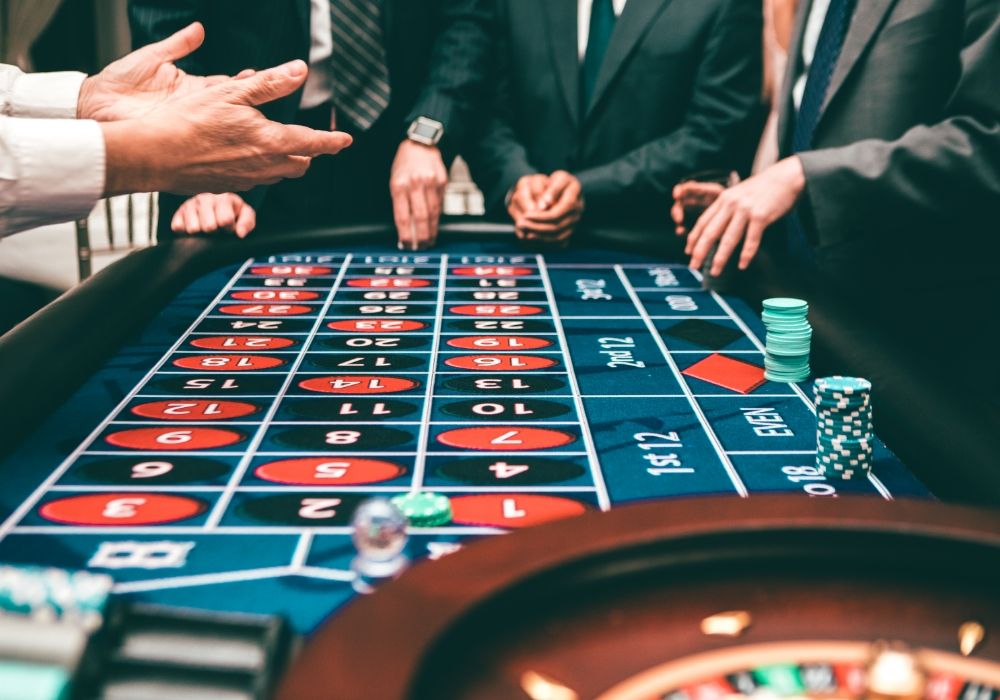
The design and atmosphere of gambling venues can also play a crucial role in encouraging gambling behaviors. Many casinos are intentionally crafted with bright lights, loud sounds, and a lack of clocks to create an immersive experience that disorients players and extends their gambling duration. This environment can heighten arousal and excitement, further embedding individuals in their gambling activities. By recognizing these environmental triggers, individuals can become more aware of their surroundings and make conscious choices about their gambling habits, leading to better decision-making.
Moreover, the rise of online gambling platforms has introduced a new dimension to the environmental aspects of gambling behavior. The convenience of accessing gambling sites from home may lead individuals to gamble more frequently. This ease of access can compound existing vulnerabilities, leading to intensified gambling behaviors and difficulties in moderation. Addressing the environmental factors that contribute to gambling behavior is critical in promoting responsible gambling practices, ensuring individuals make healthier choices, and ultimately reducing the potential for gambling-related harm.
Final Thoughts on Gambling Psychology and Resources
Understanding the psychology of gambling behavior is essential for both individuals and communities affected by gambling. By exploring the cognitive, emotional, and environmental aspects, stakeholders can develop more effective prevention and intervention strategies. This knowledge empowers individuals to recognize their motivations and triggers, fostering healthier attitudes towards gambling and enhancing overall well-being. By promoting awareness of the psychological facets of gambling, we can create a more informed public that is better equipped to manage their behaviors.
As awareness grows surrounding the psychological aspects of gambling, resources and support systems are increasingly becoming available. Organizations dedicated to gambling addiction and recovery provide valuable information and assistance for individuals grappling with their gambling behaviors. These resources emphasize the importance of education and awareness, helping individuals and their families navigate the challenges associated with gambling, while also highlighting the benefits of seeking help.
In conclusion, the psychology of gambling behavior is a complex and multifaceted field that demands ongoing exploration and understanding. By emphasizing the significance of emotional regulation, cognitive awareness, and environmental influences, we can work toward creating a safer, more responsible gambling landscape. Engaging with available resources and support systems can empower individuals to take control of their gambling behaviors, leading to informed decisions that foster a healthier lifestyle and well-being.